
Mark and I spent the week before Thanksgiving with two of our grandchildren, and we were happily exhausted by the end! One of the greatest challenges for this young generation, as with ours, will be the practice of good waiting, especially during this season of giving and receiving gifts.
Two things that became evident to me very early in our week together were 1) We are all waiting for something, and often the waiting comes with frustration or disappointment or even grief when the end result is not what we expected or hoped for, or it’s taking longer than we thought it should. For my grandkids, the waiting for the next fun thing or for a snack or lunch takes it down to the practical level: having personal needs and expectations met. It has often been said, “waiting in the small things will help us in waiting for the bigger things.” In an age where a simple push of a button will either give you an instant answer or buy the next thing (which may be delivered to your door the same day) waiting can be perceived a tedious and unlikable practice. *Side note: parents beware, your children know how to purchase items on your phone!
2) How we wait is a great challenge and practice; will we persevere in the waiting? Are we practicing our waiting with a deeper purpose and understanding? Will it move us to a deeper prayer life? Will we continue to be kind to those who make us wait or who frustrate our plans? Will it give us a courage and strength to prepare us for the next time we are waiting? (And there will be another time of waiting.)
In these recent days of power grabs and greed as the hallmarks of our country’s many political decisions, I find myself repeating the words of Psalm 44: “Awake, Lord! Why do you sleep? Rouse yourself! Do not reject us forever. Why do you hide your face and forget our misery and oppression? We are brought down to the dust; our bodies cling to the ground. Rise up and help us; rescue us because of your unfailing love.” ( vv 23-26) I want God to act now! I don’t understand the delay.
When my grandson came to me a few times this week and said, “Nana, I’m bored”, my reply was always the same: figure out a way to transform that boredom into something that is good and creative ( Play on the playground, build a fort, do bubbles, paint a picture, help make breakfast, etc). (He’s also the one who came to me and asked, “Nana, where do you store your old woman glasses?!” He’s a kick!)
It would be good for me to practice what I preach. I am no different from the 5 year old; my heart’s desires may involve more long-term thinking, and I have lived a whole lot more life to know that we don’t always get what we want or what we think we deserve. But it doesn’t make the waiting any easier.
In his Advent reflection entitled “Waiting for God”, Henri Nouwen declared that “waiting is not something that people think about with great sympathy.” He went on to write how fear and waiting are connected: “One of the most pervasive emotions in the atmosphere around us is fear. People are afraid-afraid of inner feelings, afraid of other people, and also afraid of the future. Fearful people have a hard time waiting, because when we are afraid we want to get away from where we are. But if we cannot flee, we may fight instead. People who live in a world of fear are likely to make more aggressive, hostile, destructive responses than people who are not so frightened. The more afraid we are, the harder waiting becomes.” This reflection sinks deep into my bones, especially as I age.
Nouwen then connected fear and waiting with the prominent figures in the early chapters of Luke, (Zechariah, Elizabeth, Mary, Simeon and Anna), and all the waiting that transpired: Zechariah, a religious man of highest esteem, was silenced for his disbelief; Elizabeth, his wife, had to practice patience (Nouwen described this as the ability to “nurture the moment”). Mary spoke one of the most startling and important messages of resistance against empire in her Magnificat: “He has brought down rulers from their thrones but has lifted up the humble. He has filled the hungry with good things but has sent the rich away empty.” Simeon and Anna developed deeper, decades-long prayer.
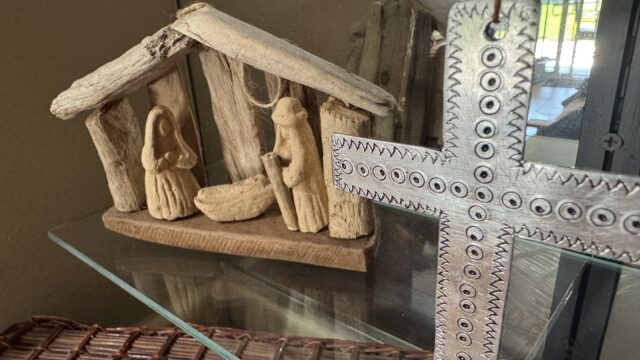
Young and old alike, all of these characters in the Nativity story heard the same message: “Do not be afraid. I have something good to say to you.”
There is goodness in the waiting, friends, even when we don’t see it in the present moment. Jesus sits with us and holds our broken stories along with holding us in His love. As you wait in the increased traffic, check-out lines, and in the unfulfilled hopes and dreams of whatever season you find yourself in, may it be a reminder that there is value in nurturing the moment, in letting go of expectations and trusting that God is unfolding something new in you. The person you become in the waiting is the gift God is giving. What are you waiting for?
